
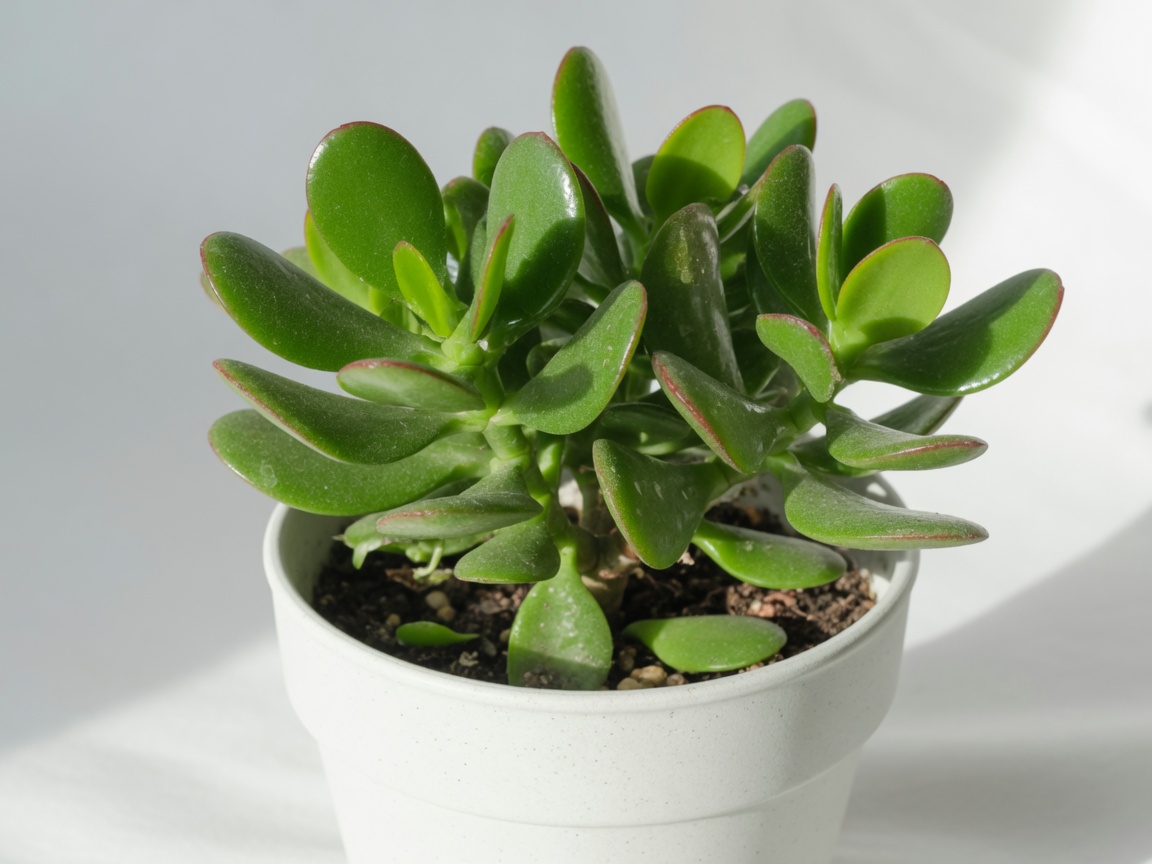
Fertilizer is plant food — but just like with humans, more isn't automatically better. Over-fertilizing is one of the most common ways houseplant parents accidentally harm their plants. Here's how to do it right.

Decision trees for symptoms, watering and feeding plans, repotting guides, and printable trackers — go from symptom to cause to fix. $12 on Gumroad.
Get the toolkit →What Plants Actually Need
The three big nutrients are nitrogen (N), phosphorus (P), and potassium (K), listed on fertilizer labels as N-P-K. Plants also need smaller amounts of calcium, magnesium, and iron. Most all-purpose houseplant fertilizers have balanced ratios like 10-10-10 or 20-20-20.
When to Fertilize
Plants need fertilizer during active growth — typically spring and summer. They're basically dormant in fall and winter, so feeding them during those months leads to salt buildup and root burn. A simple rule: fertilize from March through September, then stop.
Also, never fertilize a dry plant. Fertilizer on parched roots is like giving coffee to someone who's severely dehydrated — it causes shock. Water first, then fertilize.
How Much Is Too Much?
Less is more. Always dilute to half the recommended strength. The label's instructions are designed to sell you more fertilizer, not to protect your plants. If the label says "mix 1 tablespoon per gallon," use half a tablespoon. Your plants will be healthier and you won't need to fertilize as often.
Types of Fertilizers
Liquid fertilizers (like Miracle-Gro): Fast-acting, easy to dilute, but require regular application every 2-4 weeks during growing season.
Slow-release granules: Mixed into soil and release nutrients gradually over months. Convenient but harder to control dosage.
Organic options: Fish emulsion, worm castings, and compost tea. Less concentrated, gentler on roots, but smellier.
Signs You're Over-Fertilizing
- White crust on soil surface (salt buildup)
- Brown leaf tips despite adequate watering
- Wilting even when soil is moist
- Yellowing lower leaves
- Little to no new growth in spring/summer
If You've Over-Fertilized
Flush the soil thoroughly with clean water — run water through the pot for several minutes, letting it drain completely. Repeat this a few times over a few days. If the plant looks severely stressed, you may need to repot with fresh soil. Remove any visible fertilizer granules from the surface.
When in doubt, skip the fertilizer. A plant in bright light with occasional feeding will outperform a dark corner with heavy feeding every week.