
Summer is the growing season: more light, longer days, and warmer rooms mean most houseplants push out new leaves. But the same conditions that make plants grow faster can also burn them, dry them out, or rot them if you keep watering on the old winter schedule. Here are the adjustments that matter.
Water More — But Check First
Warmer air dries soil faster, so most plants need water more often in summer. That doesn't mean watering on a fixed schedule — it means checking more often. Push a finger two inches into the soil; if it's dry, water. If it's still damp, wait a day or two.
The trap: many plants die in summer from overwatering, not under. A plant in a big pot with dense soil can stay wet for two weeks even in July. Always check the soil, not the calendar.
Light: More Sun, But Watch for Burn
An east or north window that was gentle in winter can become harsh by midsummer, especially south- and west-facing windows. Foliage plants (monstera, calathea, philodendron) may scorch — pale bleached patches that never heal. Move them back from the glass or behind a sheer curtain.
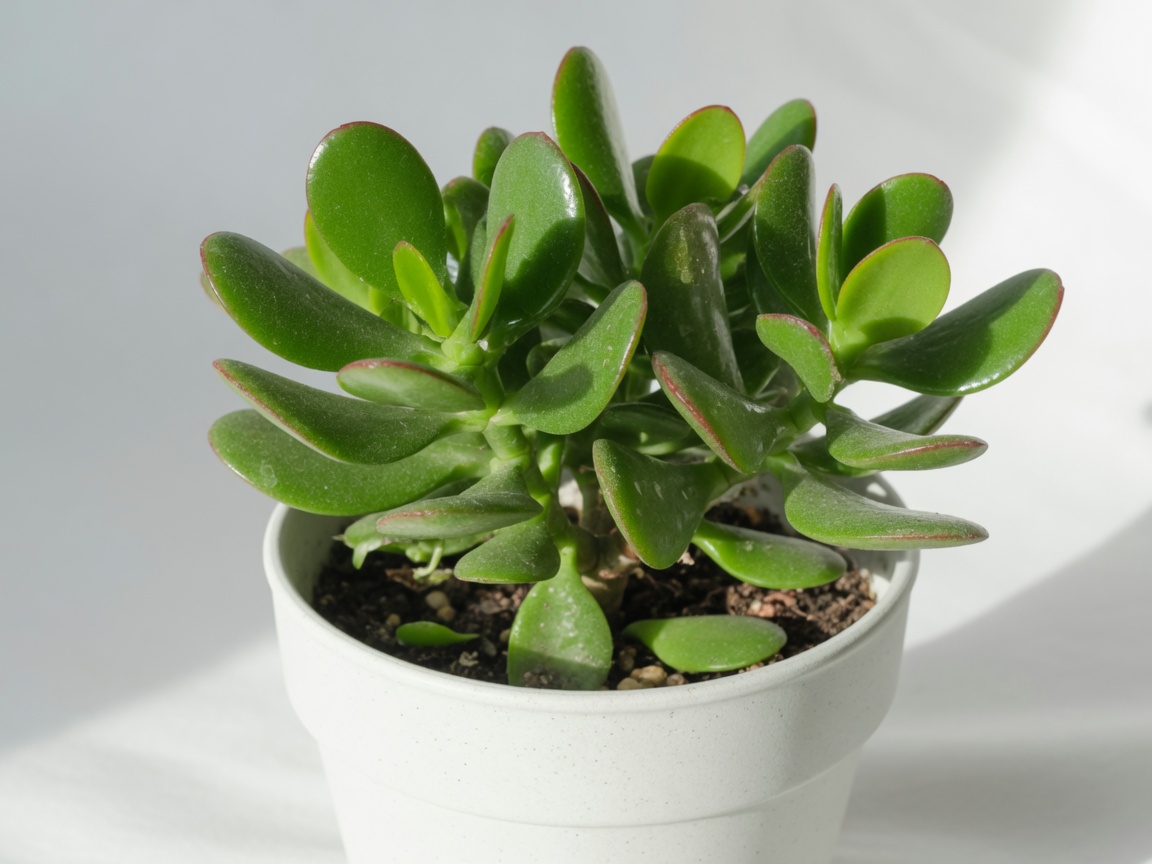
Succulents and cacti are the exception — they love the extra sun and will grow noticeably faster. Just introduce them gradually if they spent winter in a dim spot, so they don't sunburn.
Fertilize, But Don't Overdo It
Plants growing actively use nutrients. A balanced houseplant fertilizer at half strength every 3-4 weeks through spring and summer is plenty. Skip fertilizing plants that are resting or struggling, and never fertilize bone-dry soil — water first, then feed.
Humidity and Heat
Air conditioning dries the air; hot rooms speed evaporation. If your tropical plants get crispy leaf tips, group them, use a pebble tray, or run a humidifier in that room. Keep plants away from direct AC airflow and heating vents.
Pests Peak in Summer
Warm weather speeds up pest life cycles. Spider mites, aphids, and mealybugs all breed faster in summer. Check the undersides of leaves every week or two, especially after bringing new plants home. Catching a small infestation early beats treating a big one.
Prune and Propagate
Summer is the best time to prune leggy growth and take cuttings — they root fastest in warm weather. Cut just above a leaf node for vining plants, and remove any dead or yellowing leaves so energy goes to new growth.
Not sure whether a plant is thriving or struggling? Snap a photo and run it through the AI Planter analyzer — it checks the species, health, and care plan in seconds.