
Fall kills more houseplants than winter does — not through cold, but through inattention. Light intensity can halve between August and November while watering routines stay on summer mode. The result: overwatered roots, etiolated growth, and pests hitchhiking in from summer balconies. This 8-step reset takes an afternoon and prevents nearly all of it.
1. Move light-hungry plants closer to windows
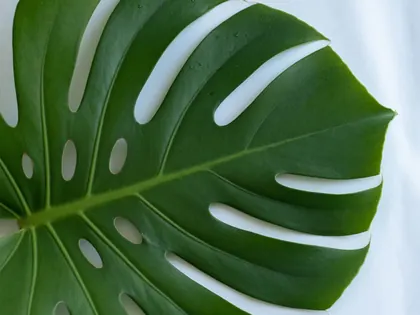
That monstera thriving 3 metres from the window in July is starving by October. Move plants closer to glass, clean windows inside and out (dirty glass blocks surprising light), and dust leaves. Measure the drop with our light guide — and consider a grow light for sun-lovers before growth stalls.
2. Cut watering before you think you need to
Cooler air + weaker sun = soil stays wet far longer. Stretch intervals now; most tropicals want the top 3–5 cm dry before rewatering. Succulents shift toward monthly. If gnats appear, you're behind — see the fungus gnat method. When in doubt, underwater: overwatering signs beat drought damage every fall.
3. Stop fertilizing (mostly)
Slow-growing plants can't use nutrients; salts accumulate and burn tips (see brown tips guide). Last feed: early fall for most plants, then nothing until spring growth resumes. Winter-growing exceptions (some succulents, African violets under lights) get quarter-strength.
4. Inspect and quarantine balcony returnees
Every plant that summered outdoors must be debugged before joining indoor plants: hose foliage, check leaf undersides and soil, isolate for 2 weeks. One mealybug colony spreads to the whole collection by December. Identify anything suspicious with the pest guide and our inspection checklist technique.
5. Repot now or wait until spring
Fall is the last sensible repotting window — roots still grow enough to establish. After mid-fall, wait: disturbed roots in cold, dark, wet soil rot instead of growing. If it can wait, it should wait; if roots circle badly, use the root-bound method now.
6. Fix humidity before heating season
Heating drops indoor humidity to desert levels. Set up the humidifier, grouping, or pebble trays now — not when calathea edges are already crispy. Compare options in humidity for tropical plants.
7. Prune lightly, propagate the cuttings
Trim leggy summer growth (see pruning basics) and root the cuttings indoors over fall — pothos, philodendron, and spider plant babies root easily on a bright sill. Don't hard-prune slow growers now; save big cuts for spring.
8. Plan your winter lineup
Decide which plants get premium window space, which get grow lights, and which go semi-dormant in cool rooms. Read winter houseplant care and look back at summer care to calibrate what changes. Track the new watering rhythm in the Plant Rescue Toolkit's trackers so the whole household stays consistent.
Frequently asked questions
When should I stop fertilizing houseplants in fall?
Early fall for most tropicals — once growth visibly slows. Feeding dormant plants accumulates salts that burn roots and tips. Resume only when spring brings consistent new growth.
Should I repot plants in the fall?
Early fall is fine; late fall and winter are not. Roots establish slowly in cold low light, so only repot now if the plant is badly root-bound, otherwise wait for spring.
Why do my plants struggle every fall?
Light drops faster than routines adjust: summer watering in autumn light means chronic overwatering. Move plants brighter, water less, and debug outdoor returnees — that trio prevents most fall casualties.
See also: Some plants die back on purpose in autumn; Dead or Dormant? The Right Test for Every Houseplant Type shows how to tell rest from decline.