
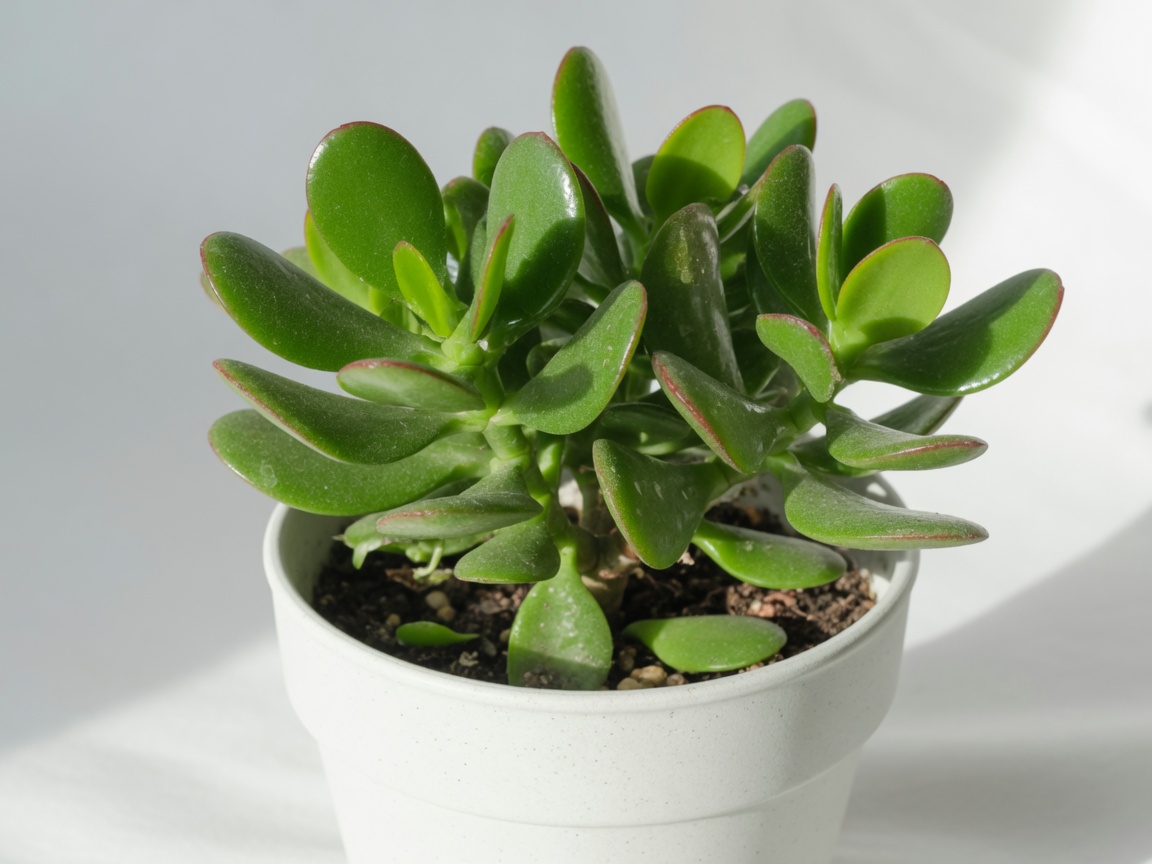
Grow lights are the difference between a dim apartment where plants survive and one where they actually thrive. The good news: you don't need an expensive setup. Here's what matters and what doesn't.
When You Need One
- Your brightest window is north-facing or blocked by buildings.
- Plants are stretching toward the window or losing variegation.
- You want to grow succulents, cacti, or herbs away from a sunny window.
- Winter drops light levels and everything slows down.
What to Look For
- Type: modern LED panels are efficient and run cool. Fluorescent tubes still work fine. Avoid hot incandescent bulbs — they produce more heat than useful light.
- Full spectrum: "full-spectrum" or "white" LEDs are fine. The purple/blue "blurple" lights are a marketing throwback — white light is easier to live with and works just as well.
- Light output: look for PAR or PPFD numbers if listed (they measure what plants actually use), or simply pick a reputable brand rated for the plant type you grow. Lumens alone are misleading for plants.
- Size: match the panel to the area. A small clip-on light covers a small shelf; a full tray of succulents needs a proper panel.
Distance and Duration
Light intensity falls off fast with distance (roughly with the square of the distance), so placement matters more than wattage. As a starting point: 10-14 hours per day for most foliage plants, and 12-16 hours for succulents and cacti. Hang lights 6-12 inches above foliage plants and 12-18 inches above succulents; adjust based on how the plants respond.
Hours and intensity trade off against each other. If your light lists PPFD at a given height, the grow light DLI & timer calculator turns that number and your runtime into the daily light total (DLI), and can work backwards from a target to the hours your timer should run.
Too much light: leaves bleach, fade, or scorch (move the light higher). Too little: stretching, leggy growth, fading variegation (move it lower or run it longer).
Use a Timer
Plants need darkness too — it's when they respire and many metabolic processes happen. A cheap outlet timer makes the schedule automatic and consistent, which plants prefer to erratic on/off.
Know the hours you need but not when to switch off? Enter a target DLI and a start time in the grow light timer calculator and it gives the off time to set.
Realistic Expectations
Grow lights won't turn a shelf into a jungle overnight, and they don't replace a sunny window — they supplement it. But used correctly, they're the difference between winter survival and winter growth.
Not sure what your plant needs? Identify it with the AI Planter analyzer — the care plan lists its light type and lux range, so you know whether it needs a grow light at all.