
Self-watering pots have a water reservoir at the bottom and a wick or capillary system that pulls moisture up into the soil as it dries. Done well, they water your plants for you. Done wrong, they waterlog everything. Here's how to use them correctly.
How They Work
You fill a reservoir (usually every 1-3 weeks, depending on the plant and season), and the soil wicks water upward as needed. The result is steady, even moisture instead of feast-and-famine cycles.
Plants That Love Them
- Ferns (Boston, maidenhair) — they want constant moisture.
- Peace lilies, calatheas, and other moisture-loving tropicals.
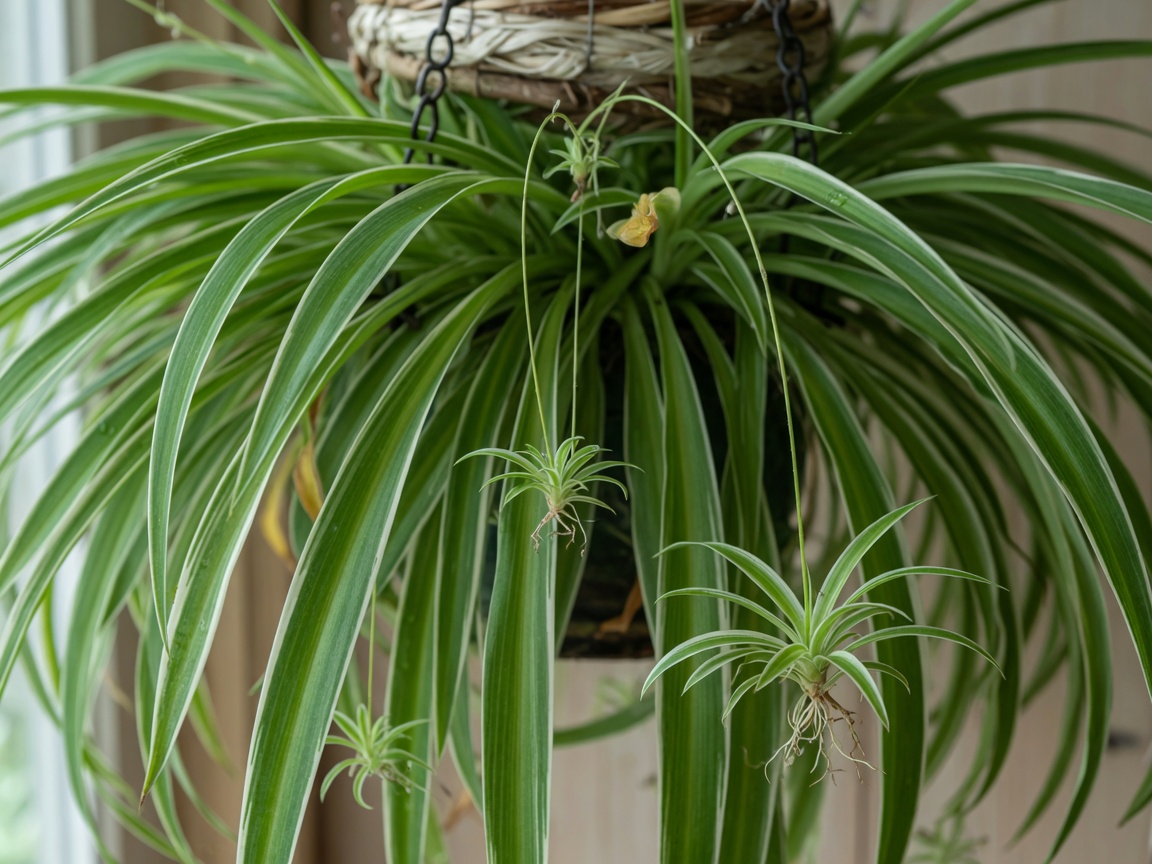
- Pothos, philodendron, and spider plants adapt fine.
- Any plant you tend to forget to water.
Plants That Hate Them
- Succulents, cacti, and snake plants — they need the soil to dry out completely. A self-watering pot keeps the root zone damp, which is a slow rot.
- Orchids — their roots need air, not a reservoir.
- Anything in a pot without good drainage behavior.
The Two Traps
Trap 1 — never letting the soil dry: even moisture-loving plants benefit from the top inch drying occasionally. Let the reservoir run empty now and then.
Trap 2 — salt buildup: because water rises from below, fertilizer salts accumulate in the top layer of soil over time. Every few waterings, water from the top until it runs through, to flush the salts out.
Are They Good for Vacations?
Yes — a full reservoir typically lasts 1-3 weeks depending on the plant. That's a solid vacation solution for moisture-loving plants. Succulents don't need it: they're fine with a pre-trip watering and shade.
The Verdict
Self-watering pots are a genuine convenience for thirsty, consistent-moisture plants and for forgetful waterers. They're wrong for drought-tolerant plants. Match the pot to the plant, flush salts occasionally, and they earn their space.
Unsure whether your plant wants constant moisture or dry soil? The AI Planter care plan states the watering method and frequency for 250+ species.
See also: Self-watering planters and sealed pots work differently; Pots Without Drainage Holes: What Works and How to Water covers the sealed kind.