
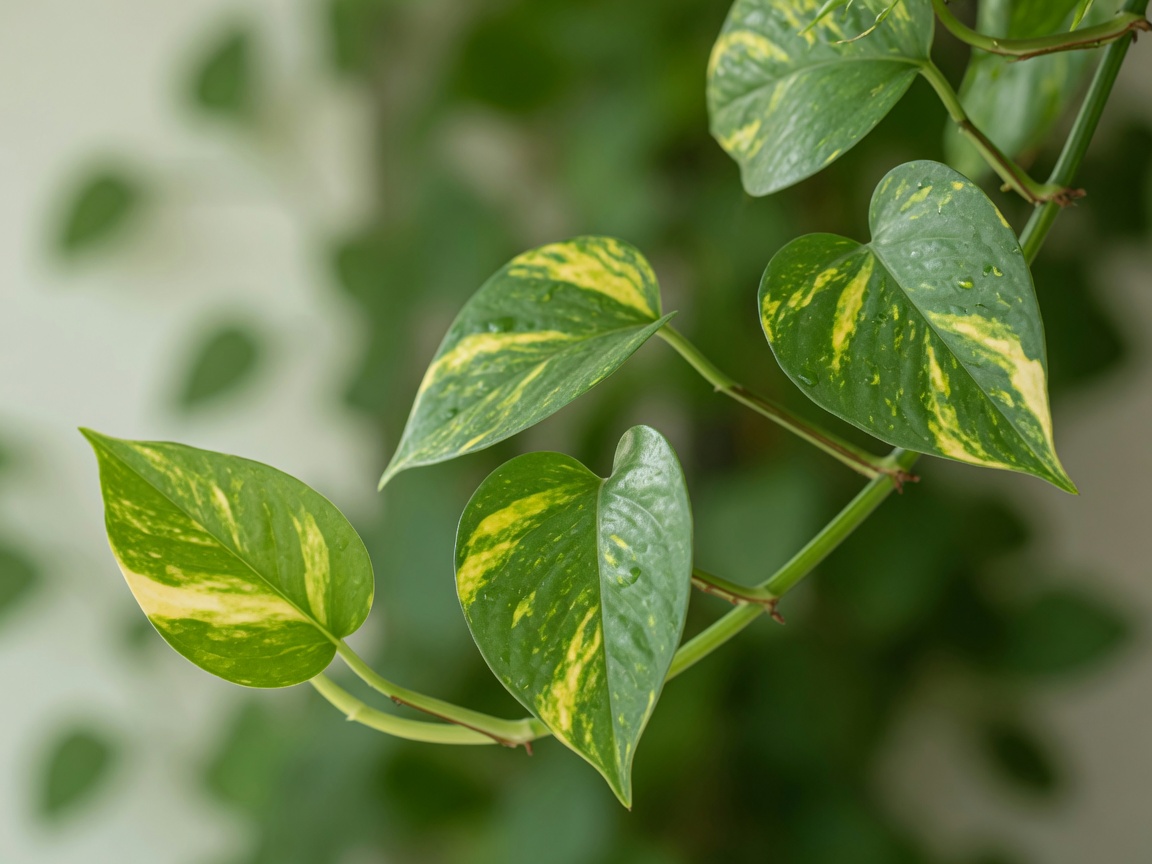
Many of the most popular houseplants are mildly to seriously toxic to cats and dogs. The good news: most toxicity is limited to mouth irritation and stomach upset, and a short list of plants is genuinely dangerous. Here's what you need to know.
The Main Culprit: Calcium Oxalates
A huge group of popular houseplants contains insoluble calcium oxalate crystals in their sap. When chewed, these crystals cause immediate burning, drooling, pawing at the mouth, and sometimes vomiting. It looks scary but is rarely life-threatening. The big family: pothos, philodendron, monstera, peace lily, dieffenbachia (dumb cane), aglaonema, alocasia, caladium, ZZ plant, and schefflera.
Seriously Dangerous Plants
- True lilies (Lilium and Hemerocallis): even a few petals or pollen can cause kidney failure in cats. This is an emergency — call your vet immediately if a cat eats any part of a lily.
- Sago palm (Cycas revoluta): all parts are toxic; seeds especially. Can cause liver failure in dogs and cats.
- Oleander: extremely toxic; rarely kept indoors but worth knowing.
Popular and Generally Safe
- Spider plant
- Parlor palm, areca palm, and most palms
- Peperomias (watermelon, ripple, baby rubber)
- Pilea (Chinese money plant)
- Calathea and maranta (prayer plants)
- African violets
- Phalaenopsis (moth) orchids
- Boston and bird's nest ferns
- Hoyas (wax plants)
- Most bromeliads and air plants
- Echeveria and haworthia succulents
- Money tree (Pachira aquatica)
"Safe" still means mildly upset tummies are possible if a pet eats a lot. No plant is a snack.
What to Do If Your Pet Eats a Plant
- Remove any remaining plant material from the mouth (carefully).
- Rinse the mouth with water and offer fresh water to drink.
- Call your veterinarian or a pet poison hotline — have the plant name ready.
- For true lilies or sago palm, go to the vet immediately; don't wait for symptoms.
- Don't induce vomiting unless your vet tells you to.
Prevention
Place toxic plants out of reach, hang trailing ones, or choose pet-safe species if your pets chew. A quick photo check with the AI Planter analyzer can also flag a plant's toxicity warning from the care plan.