
Succulents (and cacti) are built to survive drought by storing water in thick leaves and stems. That's why the most common cause of death isn't neglect — it's overwatering. Master three things and almost any succulent will thrive.
1. Water: Soak, Then Dry Out Completely
Water deeply until it runs out the drainage holes, then do not water again until the soil is fully dry. For most indoor succulents that means every 2-3 weeks in the growing season and less in winter. When in doubt, wait a few more days — a thirsty succulent looks slightly shriveled and plumps right back up after watering.
Overwatered signs: mushy or translucent leaves, leaves that fall off at a touch, soggy soil that never dries. Underwatered signs: wrinkled, deflated leaves that feel soft but not mushy.
2. Light: Bright Is Non-Negotiable
Succulents are sun plants. They need bright light — a sunny south or west window, or a strong grow light. Without it they stretch (etiolate): the stem lengthens and leaves spread out, losing their compact rosette shape. Stretching can't be reversed, but new growth will be compact once light improves.
A few succulents (haworthia, snake plant, ZZ plant) tolerate lower light than the rest. Everything else wants the brightest spot you have.
3. Soil and Pot: Drainage Is Everything
Regular potting soil holds too much water for succulents. Use a fast-draining cactus and succulent mix, or amend regular soil with perlite or coarse sand (about 1:1). The pot must have a drainage hole — a beautiful pot without one is a death sentence in slow motion.
Feeding and Dormancy
Fertilize lightly (half-strength balanced or low-nitrogen cactus food) every 2-3 months in spring and summer, and not at all in winter. Most succulents rest in winter: they want cooler temperatures, less water, and no fertilizer.
Beginner-Friendly Species
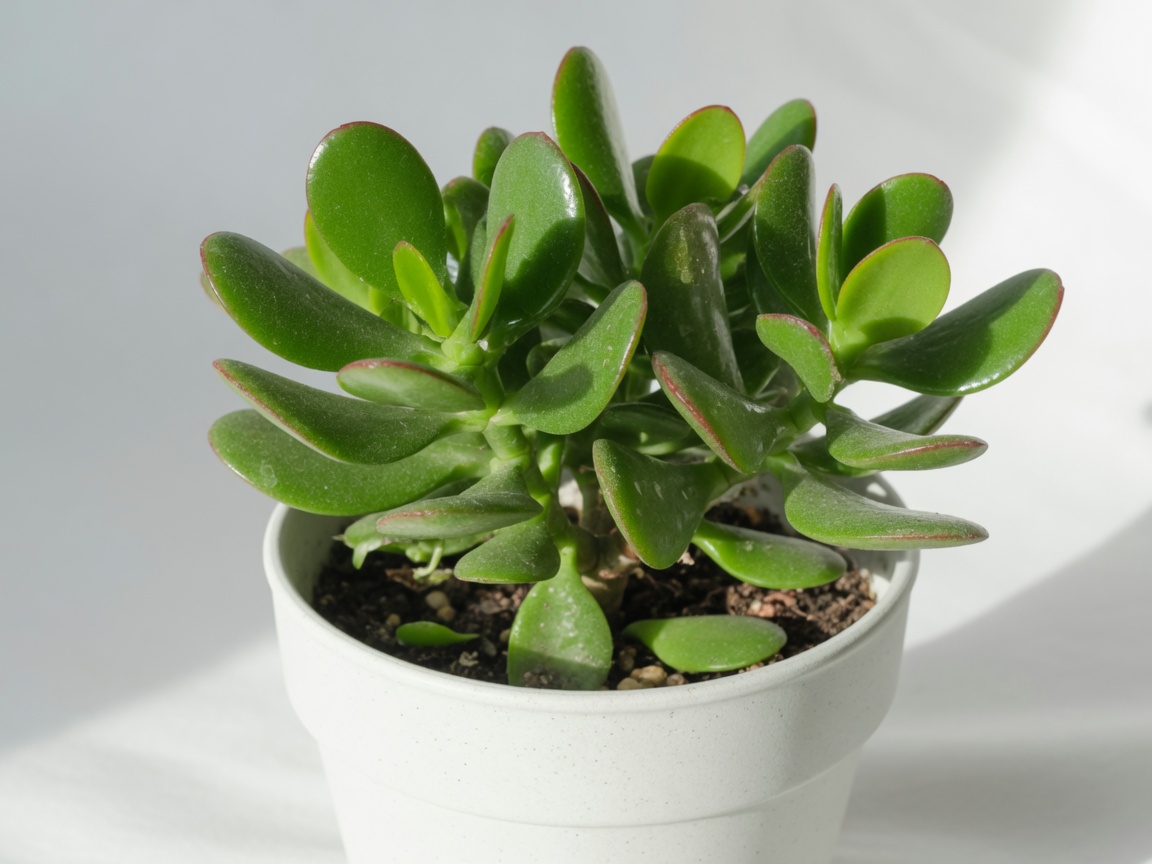
- Jade plant (Crassula ovata): forgiving, long-lived, grows into a small tree.
- Haworthia: tolerates lower light, compact, stays small.
- Echeveria: classic rosette, comes in many colors.
- Snake plant and ZZ plant: succulent-adjacent and nearly impossible to kill.
- Burro's tail (Sedum morganianum): stunning trailing succulent — just don't touch the fragile leaves.
Unsure what your succulent is or why it looks off? Run a photo through the AI Planter analyzer for an ID, health check, and care plan.
See also: Blisters on succulent leaves are often edema, not pests; see Bumps Under Plant Leaves: Edema, Scale, or Spores?. Succulents rot first in sealed pots; read Pots Without Drainage Holes: What Works and How to Water before using a decorative one.