
LECA (Lightweight Expanded Clay Aggregate) — those round clay pebbles — plus a water reservoir is called semi-hydroponics, and it solves the #1 houseplant killer: overwatering. Roots sit in airy pebbles and drink from a reservoir you can see. Here's the honest beginner setup, including which plants convert well and which fight it.
What you need
- LECA pebbles — rinse dust off, then soak 24 hours before first use.
- Inner + outer pot: a net pot inside a watertight cachepot, or any pot with a reservoir gap.
- Hydroponic nutrients — soil fertilizer doesn't suit reservoirs; use a complete hydro feed at quarter-to-half strength.
- pH awareness: most houseplants want pH 5.5–6.5; cheap test strips are enough to start.
Best beginner plants for LECA
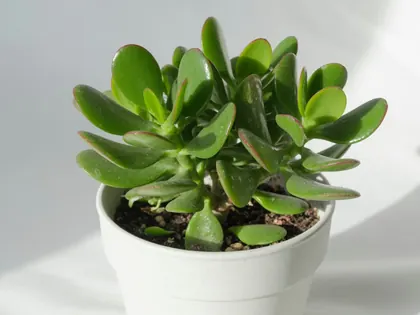
Pothos, philodendron, monstera, spider plants, and peace lilies convert easily — they grow water roots fast. See their soil care first (pothos, monstera, peace lily) so you recognise healthy vs. stressed growth during the switch. Succulents, cacti, and most ferns are poor LECA candidates — they want dry cycles soil does better (see succulent care).
Converting step by step
- Wash roots thoroughly — every scrap of soil must go or it rots in the reservoir.
- Trim damaged roots — mushy or black roots won't survive; healthy white ones adapt.
- Pot in soaked LECA — nestle roots among pebbles in the net pot.
- Fill reservoir one-third — water should wick up without submerging the whole root mass.
- Expect a sulk — soil roots die back and water roots grow over 2–6 weeks. Some leaf yellowing is normal; total collapse means too much water or too little light.
- Feed weakly, weekly — quarter-strength hydro nutrients; flush monthly to prevent salt buildup.
Reservoir rules
Let the reservoir empty and stay dry 1–3 days before refilling — constant submersion rots even water roots. Top up with room-temperature water; if your tap water is harsh, see the tap water guide. Flush the whole system monthly to clear mineral salts (the brown-tips guide explains salt damage).
Honest downsides
- Transition losses: some plants sulk hard or lose leaves before recovering.
- Ongoing feeding: no soil nutrients means you must fertilize — forever.
- Algae: light + nutrients grows green slime; opaque cachepots and flushing control it.
- Vacations: reservoirs buy days, not weeks — see vacation plant care for longer trips.
LECA shines for chronic overwaterers and forgetful feeders who'll follow one routine. If you'd rather master soil first, start with DIY potting mixes and watering frequency by plant.
Frequently asked questions
Is LECA better than soil for houseplants?
Different, not strictly better. LECA removes overwatering risk and makes watering visible, but demands regular hydroponic feeding and suits only adaptable species. Soil stays simpler for succulents, cacti, and low-maintenance collections.
Do plants grow slower in LECA at first?
Usually yes for 2–6 weeks while soil roots are replaced by water roots. After establishment, growth often matches or beats soil because water and oxygen stay consistently available.
Can I convert any plant to LECA?
No. Aroids (pothos, monstera, philodendron), spider plants, and peace lilies convert well. Succulents, cacti, ferns, and plants with fine delicate roots usually struggle — keep those in soil.