
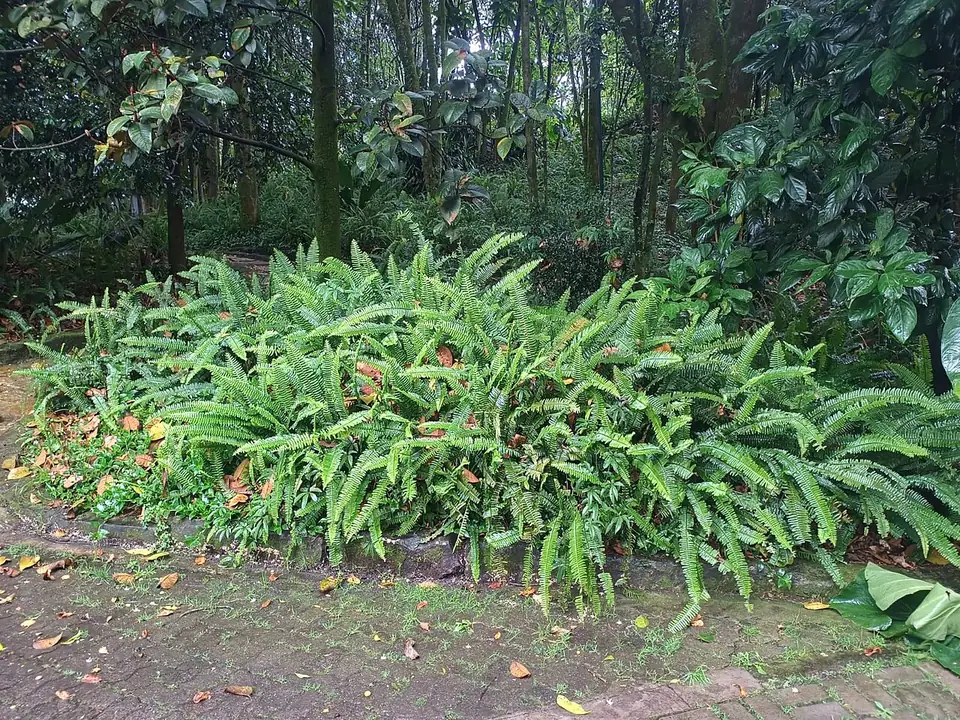
What a healthy plant looks like
NC State Extension gives Boston fern a height and spread of 2 to 3 feet, and the plant forms a bushy mound of arching fronds. A healthy specimen has fronds that arch over the pot edge and a full outline. A thin plant with sparse fronds is usually telling you something about light, humidity or the root zone, and the sections below cover those in turn.
Boston fern is not a low-light plant. NC State Extension recommends bright, indirect light, so a dim corner that suits a snake plant is not a good home for this fern. The low-light houseplants guide lists species that tolerate those conditions better.
Start with bright, indirect light
NC State Extension's Plant Toolbox recommends planting Boston fern in bright, indirect light and warmth. In practice that means a spot a short distance back from a bright window, or behind a sheer curtain, rather than a position where the sun falls directly on the fronds. If the fronds facing the glass look bleached or crisp while the rest of the plant looks fine, the light is probably too strong for that position.
Dim corners are a common reason a fern thins out. A fern placed far from any window will not keep its fullness for long. Before buying a grow light, use the light and placement hub to judge the window you have.
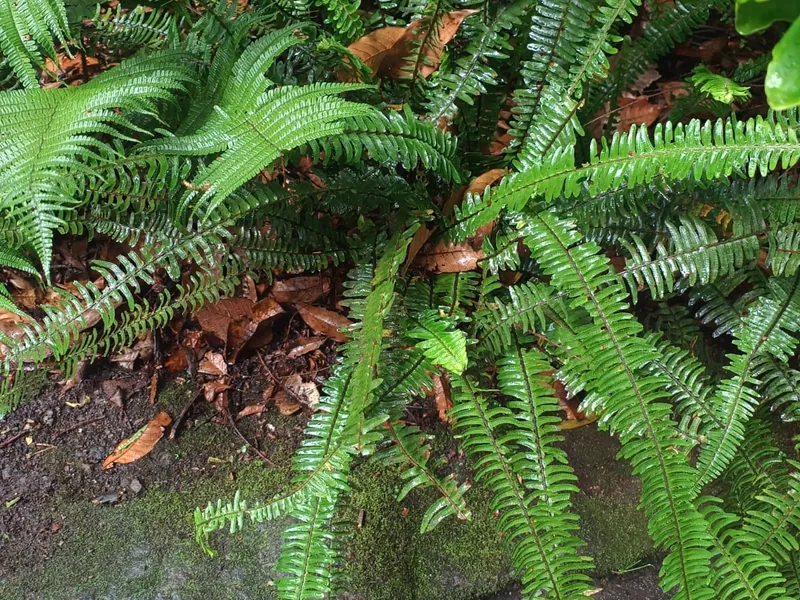

Keep the soil evenly moist
NC State Extension says Boston fern needs moist soil that should never be allowed to dry out. That is a steadier target than a fixed watering day. Lift the pot, or feel the mix a few centimetres below the surface. When it has begun to dry at that depth, water thoroughly until water runs out of the drainage holes. Then empty any saucer so the roots are not left sitting in standing water.
A calendar can remind you to check, but it cannot tell you how wet the pot is. Use the watering calculator for a starting estimate, then confirm with your own check. If the mix repels water and runs straight through, the bottom watering guide explains how to soak the root ball evenly.
How often the pot needs water depends on its size, the room and the season, so the same fern can need water far more often in summer than in winter. Rather than trusting one date, keep a short log of when you watered and when you checked and skipped. The pattern in that log is more reliable than any single interval, and the plant-by-plant watering guide explains why the answer varies.
Humidity and placement
NC State Extension describes Boston fern as needing high humidity, and suggests kitchens and bathrooms or a tray of wet pebbles to raise it. When you use a pebble tray, keep the pot base above the water line so the roots do not sit in it. Heated rooms can dry the air around the fronds quickly, so keep the plant away from radiators and vents.
If you want to judge the air rather than guess, the humidity and VPD calculator helps you compare readings with a plant's needs. The humidity guide for tropical plants explains why dry air causes crisp fronds.
Expect a pebble tray to add only modest humidity. If the fronds keep crisping despite one, the air in that room is probably drier than the fern wants. Moving the plant to a kitchen or bathroom with bright, indirect light is a practical test: if the tips stop browning after the move, the air was the likely cause.
Winter rest and temperature
NC State Extension recommends a warm position around 60 to 70°F (about 16 to 21°C). It also notes that the plant is dormant in winter, so watering should be reduced. Overwatering in winter is a common way to cause root rot, because the soil stays wet while the roots are not growing much. Feeding belongs to the growing season, so skip it when growth has slowed.
Check the soil more carefully in winter. Because the plant is resting, the pot can stay wet for much longer, so lift it or feel the mix before you water. Our guide to houseplant soil that stays wet for weeks lists the checks for that situation.
Brown fronds: diagnose before you change anything
Brown fronds are the most common complaint, and the fix depends on the pattern. Compare what you see with the table below before you change the watering routine. One change you can evaluate works better than several changes at once.
| What you see | Likely cause | Next check |
|---|---|---|
| Crisp brown tips, and the soil is dry when you lift the pot | A dry root ball or dry air | Water thoroughly and raise the humidity near the plant. |
| Yellowing or limp fronds, soil that stays wet, and a sour or rotten smell | Overwatering or root rot | Lift the plant out of its pot and inspect the roots. Our root rot guide covers what to trim. |
| Dark brown dots in a pattern on the underside of the fronds | Spores, a normal feature of this fern | No treatment. NC State Extension warns not to mistake these for insects or disease damage. |
| Sticky residue, fine webbing, or small moving pests on the fronds | Scale or spider mites, which NC State Extension says can be a problem when the air is too dry | Inspect the undersides. Compare with the spider mite guide and the guide to bumps under leaves. |
If the brown tips are crisp and the soil is damp, look at the air before anything else. Fronds that brown from the tips inwards, with wet soil and a rotten smell, point to the roots. The brown leaf tips guide lists the other causes to rule out.
A weekly check
Once a week, take a minute to look at the fronds, the soil and the drainage. Turn a few fronds over and check the base of the plant where new fronds emerge. Note anything new, such as a change in colour, a sticky surface or a pale patch, in your care journal. The guide to keeping a plant care log explains how a short record helps you decide the next step instead of reacting to the last problem you noticed.
Common mistakes
- Watering on a fixed calendar. A schedule ignores the winter rest that NC State Extension describes, and it is a common route to soggy roots.
- Treating the spore dots as a disease. The brown dots on the underside of the fronds are a normal feature of the plant, not a reason to spray.
- Choosing a dim corner. Boston fern needs bright, indirect light, so a spot far from any window will thin out over time.
- Feeding a struggling plant. Fertilizer does not fix dry air, a dry root ball or rotting roots. Diagnose first, and feed only a plant that is actively growing.
Feeding, repotting and drainage
Feed lightly during active growth and follow the label's dilution. The fertilizer basics guide explains how to read a label. Repot when the roots have filled the pot, and check the root-bound repotting guide for the signs. Choose a container with drainage holes. A decorative pot without them needs the approach in pots without drainage holes.
Pets and identification
The ASPCA lists Boston fern as non-toxic to dogs and cats. A non-toxic listing is not a reason to let a pet chew the plant, so keep it where curious animals are unlikely to reach it, as you would for any houseplant. For a wider list, see pet-safe houseplants and houseplants toxic to cats and dogs.
Before applying care advice, confirm the plant's identity. NC State Extension notes that Boston fern is often confused with other ferns, so compare your plant with the Boston fern encyclopedia entry. If you are unsure, the plant identifier can help you narrow it down from a photo.
Sources and further reading
- NC State Extension Gardener Plant Toolbox: Nephrolepis exaltata (Boston fern)
- ASPCA: Boston fern, toxic and non-toxic plants
Published by AI Planter Editorial Team. Read our editorial standards and tool limitations.
Frequently asked questions
Why are the fronds on my Boston fern turning brown?
Start with the soil and the air. Crisp brown tips with dry soil point to thirst or dry air. Yellowing or limp fronds with wet soil and a sour smell point to the roots, so inspect them before you water again.
Are the brown dots under the fronds a pest?
Usually not. NC State Extension describes them as spores that the plant produces in a pattern on the underside of the leaves, and warns against mistaking them for insects or disease damage.
Is Boston fern safe around cats and dogs?
The ASPCA lists Boston fern as non-toxic to dogs and cats. Even so, keep the plant where curious pets are unlikely to chew it, as you would for any houseplant.
Can I keep a Boston fern in a bathroom?
Yes, if the room gets bright, indirect light from a window. NC State Extension suggests kitchens and bathrooms for higher humidity.
How often should I water a Boston fern?
There is no fixed interval. Check the soil a few centimetres down, keep it evenly moist, and water less during the winter rest.